
01
EV USED BATTERY SOLUTION
M-BMS collects and controls internal data, while BCMS unifies diagnosis, alerts, control, and history management.
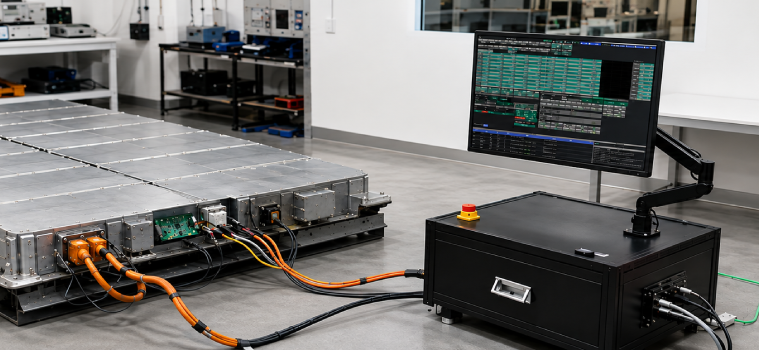
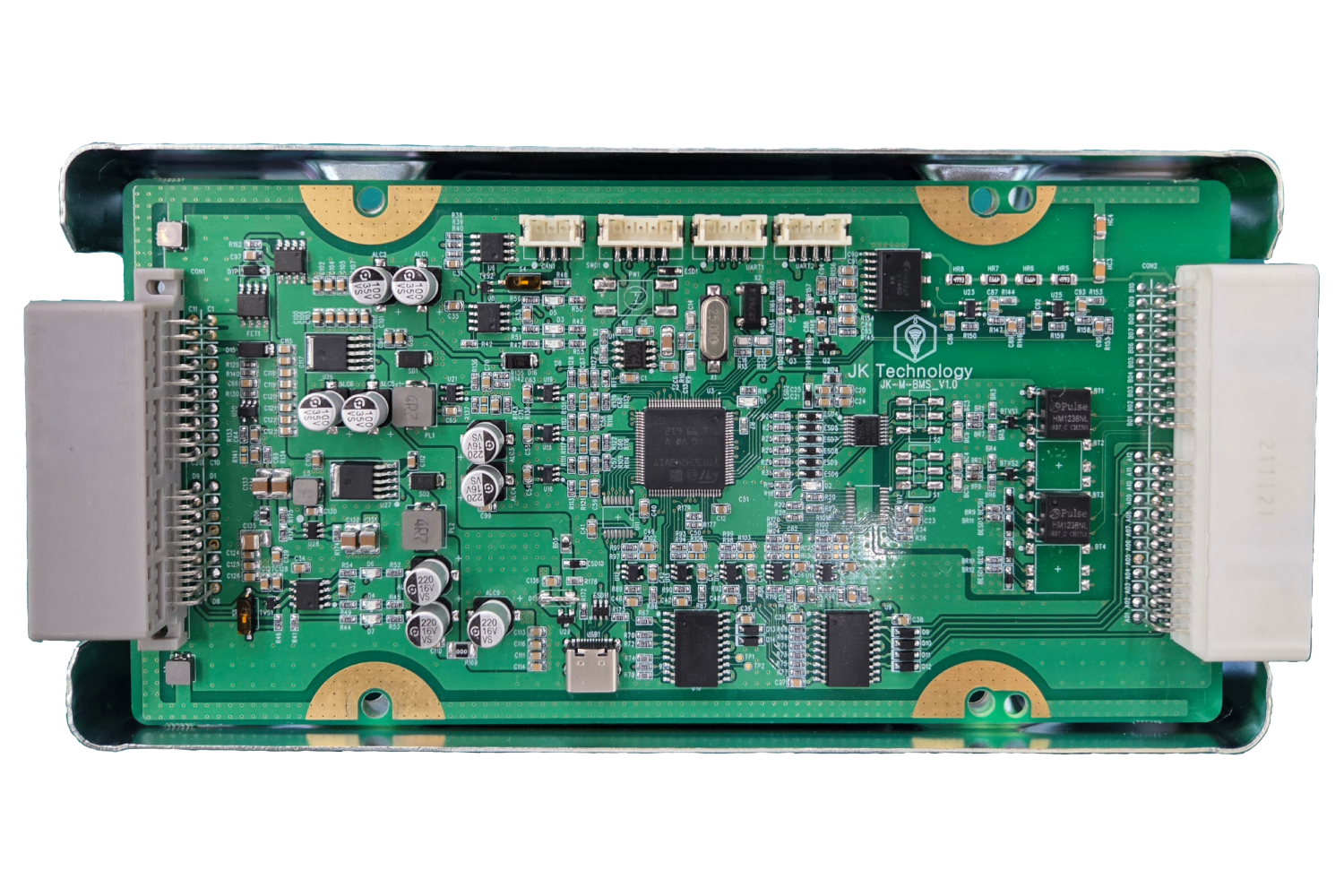
M-BMS
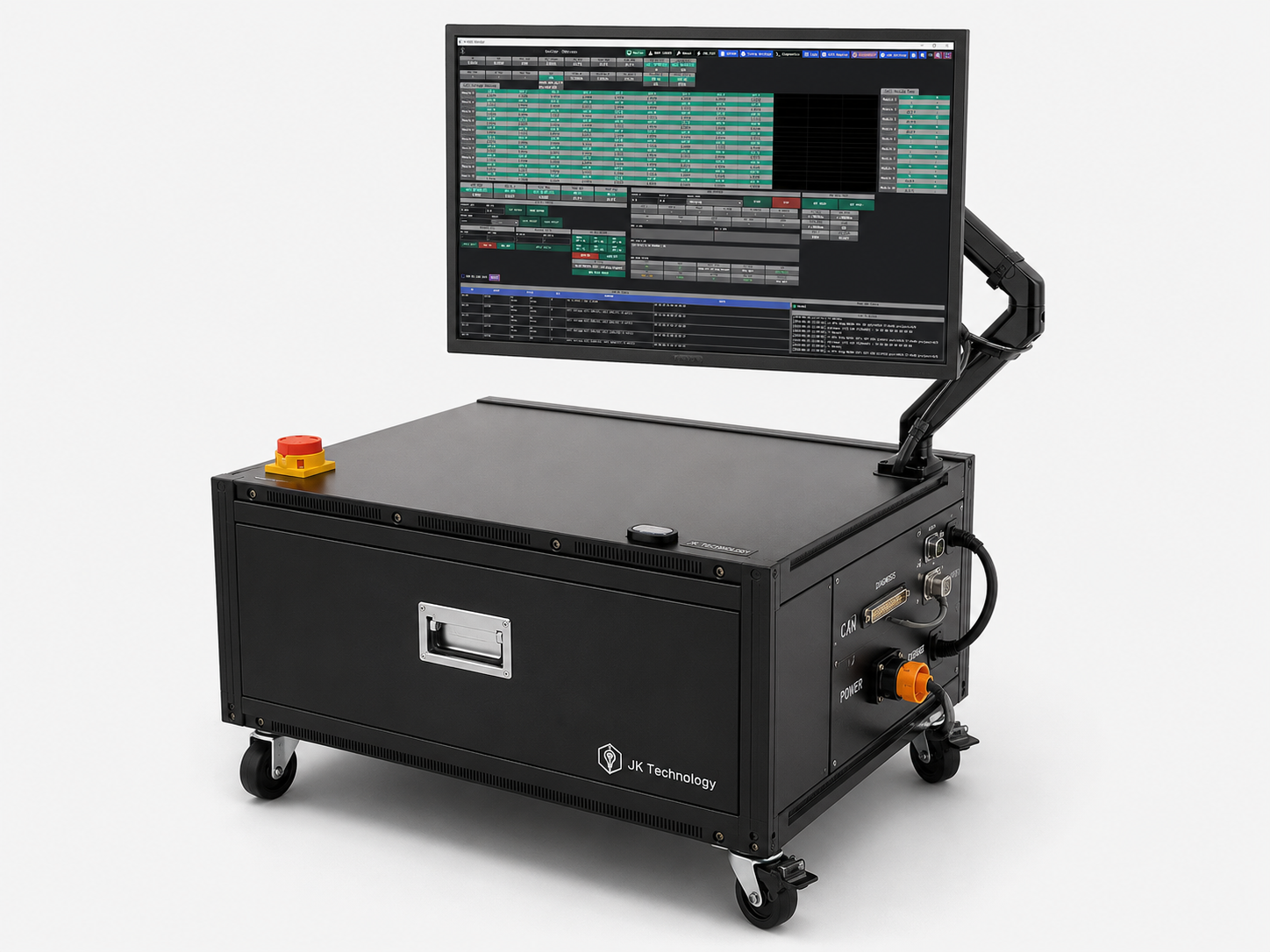
BCMS
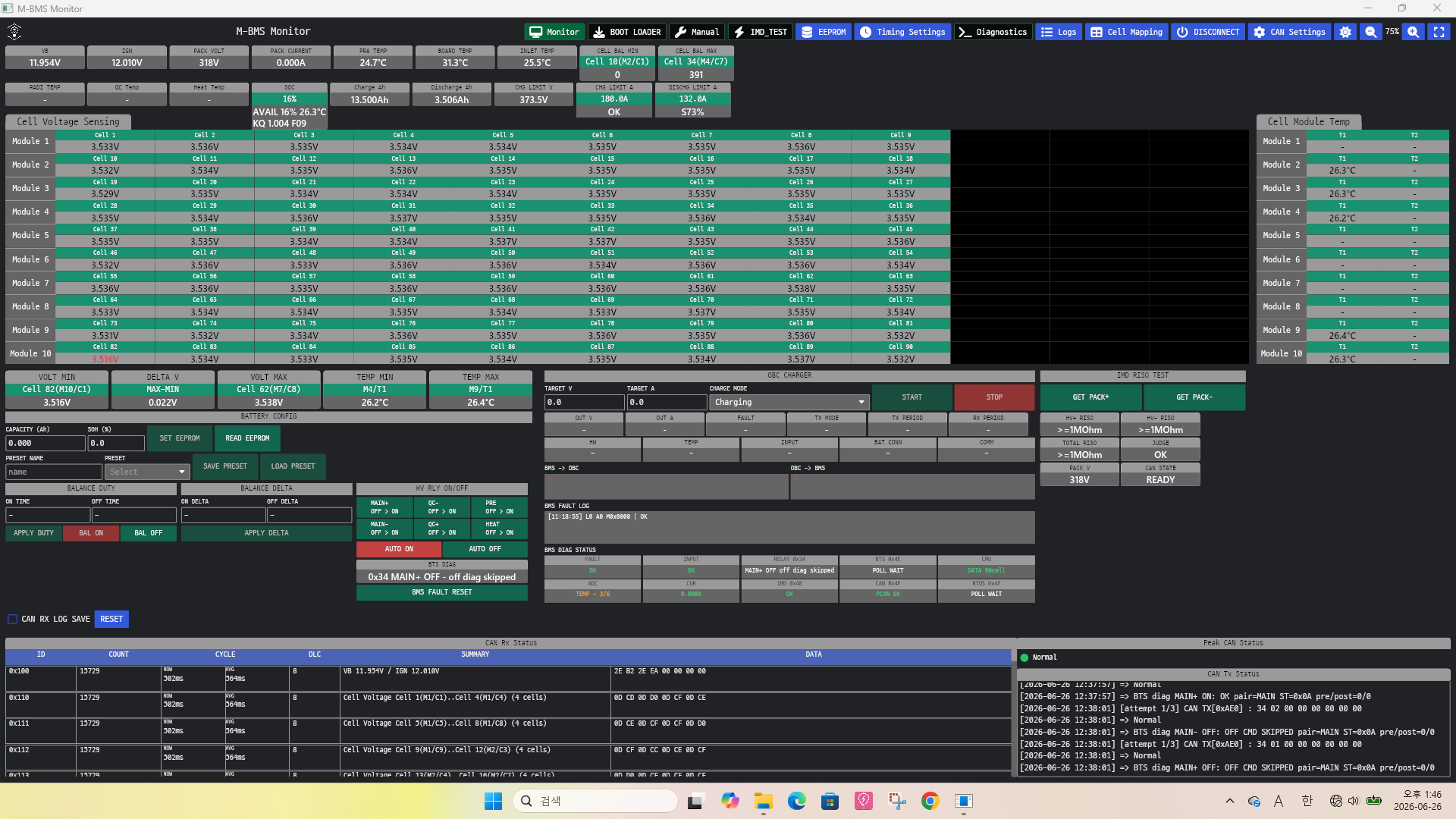
Monitor
01 · Field challenges
Long charge/discharge cycles and limited internal information create inspection bottlenecks and delayed safety response.
Long charge/discharge cycles extend per-pack inspection time and limit throughput growth.
Restricted access to cell, sensor, and control status makes internal condition assessment difficult.
Even after anomalies are detected, balancing, relays, and protection functions are hard to control immediately.
02 · Integrated operations structure
BCMS becomes the center of diagnosis and control, managing operation screens, reports, and external system integration.
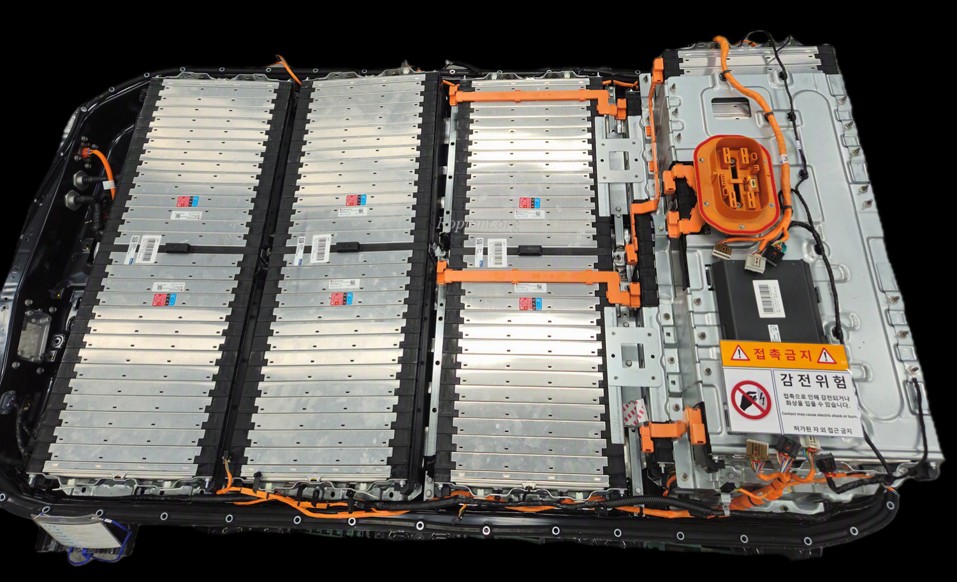
INPUT
Internal devices such as cells, temperature, and PRA
INTERFACE
Internal data collection and control
CORE CONTROLLER
Centered on diagnosis, alerts, control, and integration
Real-time status and event visibility
Diagnostic reports and history accumulation
Server and external system connectivity
03 · Operational change
Rather than listing product features, we show how on-site decisions and work flow change.
Set inspection order by pack condition to reduce bottlenecks.
Confirm risk conditions before handling to accelerate safety response.
Judge with unified diagnostic standards instead of operator experience alone.
Manage results from intake through inspection at the pack level.
04 · Reports & battery analysis
Status confirmed on the monitoring screen remains as reports and history data that support decisions.



05 · Technology expansion roadmap
Beyond on-site diagnosis, expand into reuse power, mobile ESS, and continuous discharge analysis.
Connect diagnosed packs to reuse ESS to expand power utilization.
Extend status monitoring and control for mobile power-supply environments.
Secure operating data for packs reconfigured for home and small-power use.
Accumulate continuous discharge and power-operation data to refine utilization decisions.
06 · Applications
Apply across the second-life battery value chain — collection, diagnosis, reuse, recycling, and equipment integration.
Supports initial status checks and screening at intake and storage stages.
Provides internal-data-based diagnosis and status reports.
Secures evidence data to determine reuse eligibility.
Helps confirm risk status and pre-processing decisions before disassembly.
Provides data for charge/discharge and diagnostic equipment integration.
Based on pack structure, connectors, and communication environment, we guide M-BMS · BCMS applicability and review scope.